Day 1
Arrive in Delhi
When you arrive at Delhi airport, our representative will meet you and transfer you to the hotel for check-in and an overnight stay.
Meals
Breakfast
Lunch
Dinner
Breakfast
Lunch
Dinner
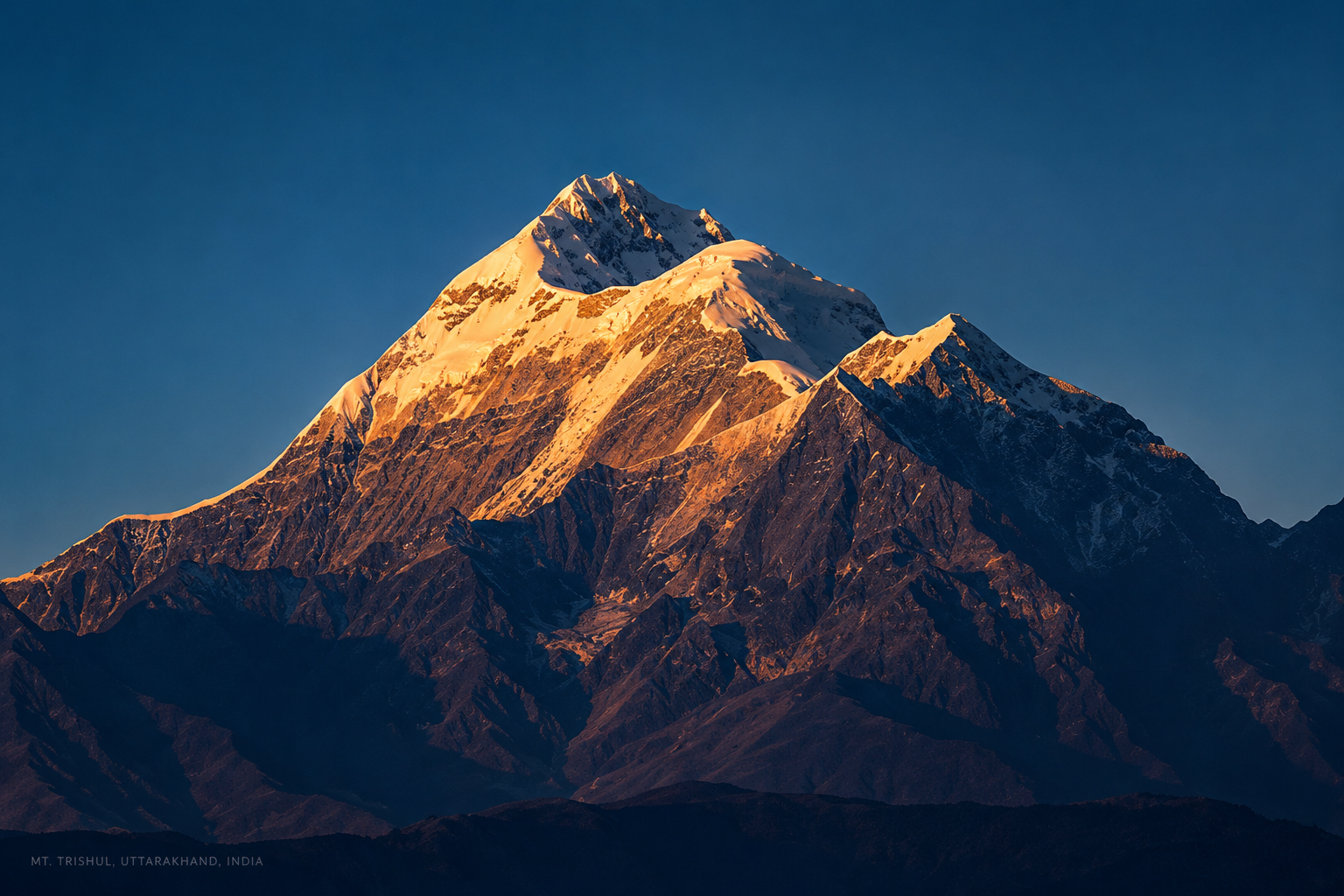
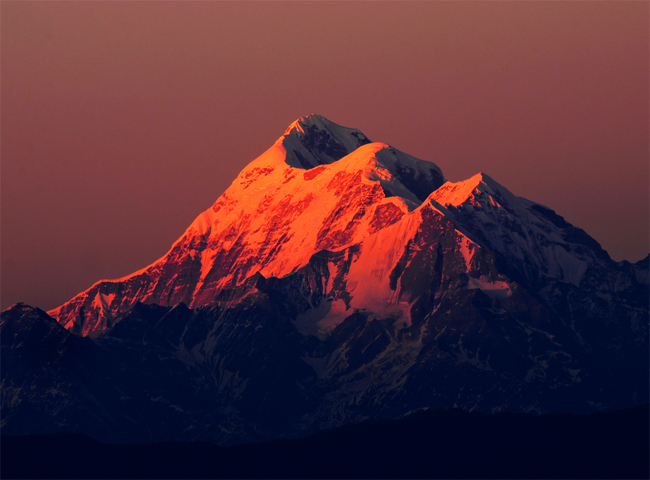
A challenging high-altitude expedition to Mount Trishul-1 in the Garhwal Himalaya of Uttarakhand.
Mountaineering above 7,000 meters is not a conventional adventure activity. It involves operating in rare and often restricted regions, managing complex logistics, long and remote approaches, limited rescue options, and moving with small, highly focused teams in demanding environments. The cost reflects preparation, leadership, logistics, and a safety-first approach.
Are you ready to embark on an unforgettable adventure? Alpine India Expeditions brings you a thrilling high-altitude expedition in the heart of nature.
Whether you're a seasoned mountaineer or a climber preparing for new heights, our small group sizes and qualified expedition leaders help create a focused, well-supported mountain experience.
Grab your gear and get ready to discover why we are the go-to company for all things expedition.
Before the main expedition, Alpine India Expeditions organizes and supervises a dedicated high-altitude acclimatization and technical training programme for every climber.
Climbers do not need to arrange this programme independently. AIE manages the programme, including the route, altitude progression, technical training, monitoring and recovery period.
A planned two-day recovery and assessment period will follow the programme before the main expedition, subject to each climber's condition, altitude response, weather and operational conditions.
The main expedition will then begin with continued progressive acclimatization.
The programme is designed to improve high-altitude readiness, technical preparedness and team coordination before the main expedition.
It does not eliminate altitude-related risks or guarantee acclimatization or summit success.
When you arrive at Delhi airport, our representative will meet you and transfer you to the hotel for check-in and an overnight stay.
After breakfast, drive to Rishikesh and stay overnight at the hotel.
Complete expedition paperwork and drive to Ghat via Karanprayag. Stay overnight at a hotel in Ghat.
Drive to Sitel after breakfast, then begin the hike to Sutol village and set up camp for the night.
Trek from Sutol to Latakhopri, about a 5-hour hike, and assemble camp for the night.
Begin the trek to Homkund, the expedition base camp, and establish camp for the remaining climbing days.
The following 15 days are used to set up higher camps, including C1, C2, and summit camp, attempt Mount Trishul I (7,120 M), and return to base camp.
Pack up base camp and hike back to Sutol, setting up camp for the night on arrival.
Hike back to Sitel, then drive to Ghat and check into the hotel for the night.
Leave the hotel after breakfast and drive to Rishikesh. Check into the hotel on arrival.
Drive from Rishikesh to Delhi for the final travel day and stay overnight at the hotel.
After breakfast, depart from the hotel and drive to IGI Airport in Delhi for your flight home.
Pack light, but do not compromise on the essentials needed for a serious high-altitude expedition.
Thermal base layers, fleece, down jacket, waterproof shell, gloves, hat, sunglasses, socks, buff, and balaclava.
75L+ backpack, headlamp, trekking poles, hydration system, hygiene kit, sunscreen, lip balm, first-aid kit, and sanitizer.
Camera, power bank, multi-tool, GPS or map and compass, identification, permits, and insurance documents.
Energy bars, dry fruits, nuts, and electrolytes for hydration and quick recovery.
Participants must be at least 18 years old and in good physical condition.
You should be able to walk long days over uneven, rocky, or snowy terrain while carrying required gear.
Prior trekking or mountaineering experience is strongly recommended, especially above 6,000 meters.
Mental resilience, teamwork, calm decision-making, and adaptability are essential for high-altitude expeditions.
Small, focused teams allow better attention, safer movement, and reduced environmental impact.
Experienced expedition leaders and Sherpas support technical movement, acclimatisation, and emergency decisions.
Our team supports you before, during, and after the expedition with clear communication and planning.
Reliable technical equipment, hygienic tents, and mountain-ready systems help the team operate with confidence.